
Ultimate Selection of Demolition Tools for Efficient Service Delivery
Equip your team with high-performance machinery and tools designed to maximize productivity during demolition jobs.
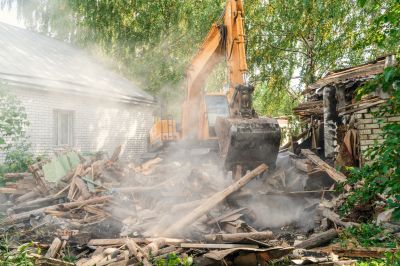 Demolition work in Missoula, MT requires a diverse array of tools and equipment to ensure safety, efficiency, and precision. From large-scale building tear-downs to smaller renovation projects, selecting the right products can significantly impact the success of a demolition task. Proper equipment not only facilitates the process but also helps in maintaining safety standards for workers and surrounding structures. Whether dealing with concrete, wood, or mixed materials, having the appropriate gear is essential for a smooth operation.
Top Overall Option
Heavy-Duty Demolition Hammer
A versatile demolition hammer equipped with adjustable settings and a durable construction can handle a variety of tasks from breaking concrete to chiseling masonry. Its ergonomic design reduces fatigue during extended use, making it a reliable choice for different demolition projects. When selecting a demolition hammer, consider power source options, weight, and compatibility with various chisel attachments to ensure it meets the demands of your specific tasks.
Types of Products For Demolition Service
Jackhammers
Power tools designed for breaking up concrete and asphalt, available in pneumatic, electric, and hydraulic models.
Sledgehammers
Manual tools ideal for breaking through wood, drywall, and light masonry with controlled force.
Pry Bars
Hand tools used for prying apart materials and removing nails during demolition.
Rotary Hammers
Heavy-duty drills equipped with chipping functions suitable for drilling and chiseling in tough materials.
Reciprocating Saws
Power saws used for cutting through wood, metal, and plastic during demolition projects.
Concrete Crushers
Attachments or standalone equipment used to crush concrete debris into manageable sizes.
Skid Steer Attachments
Specialized tools like hydraulic breakers and grapples designed for skid steer loaders to assist in demolition tasks.
Dust Extraction Systems
Equipment to control dust and debris during demolition for safer and cleaner work environments.
Safety Gear
Protective equipment including helmets, goggles, gloves, and ear protection to ensure worker safety.
Dumpsters and Debris Containers
Large containers for efficient debris collection and removal from the worksite.
Hydraulic Breakers
Powerful attachments for excavators designed to break through reinforced concrete and rock.
Scaffolding and Ladders
Support structures that provide access and safety during demolition in elevated areas.
Wire and Cable Cutters
Tools for safely disconnecting electrical wiring during demolition.
Vibratory Plate Compactors
Equipment used to compact soil or debris after demolition activities.
Hydraulic Shears
Attachments for cutting and crushing metal and other materials efficiently.
Popular Choices
Widely used for their portability and ease of use across various demolition tasks.
Commonly employed for smaller demolition jobs and controlled force application.
Popular for precision cuts in metal, wood, and plastic during renovation projects.
Favored for their power and efficiency when paired with excavators for heavy-duty work.
Essential safety items that are consistently prioritized on demolition sites.
Increasingly used to minimize airborne debris and improve site cleanliness.
Highly effective for grabbing and removing debris in large-scale demolition.
Popular for precise cuts in concrete slabs and walls.
Commonly used to power various tools and equipment on remote demolition sites.
Widely utilized for efficient debris management during projects.
Frequently selected for soil and debris compaction tasks post-demolition.
Consistently essential for access and safety in elevated demolition work.
In demolition projects, power tools such as jackhammers and rotary hammers are commonly used to break apart tough materials. Hand tools like sledgehammers and pry bars are indispensable for manual demolition work, offering control and versatility. Heavy machinery, including excavators with specialized attachments, can handle larger-scale tasks efficiently. Safety gear, such as helmets, gloves, and protective eyewear, is equally important to prevent injuries during the process.
Choosing the right products involves understanding the scope of the project, the materials involved, and the environment in which the work will take place. In Missoula, where projects can vary from residential to commercial demolitions, having a comprehensive set of tools ensures preparedness for any scenario. Proper maintenance and handling of equipment also extend their lifespan and performance, making investment in quality products a wise decision. Overall, equipping demolition crews with reliable, well-suited tools enhances productivity and safety on the job site.
Key Buying Considerations
- Assess the scope and scale of your demolition project to determine the appropriate equipment size and power.
- Consider the types of materials involved, such as concrete, wood, or metal, to select compatible tools and attachments.
- Evaluate the portability and weight of equipment, especially if work involves multiple locations or limited access areas.
- Prioritize safety features and protective gear to ensure compliance with safety standards and worker protection.
- Check for compatibility of attachments and accessories to maximize the versatility of your equipment.
- Review power sources—electric, pneumatic, hydraulic, or gas—to match your site’s infrastructure and mobility needs.
- Consider noise levels and vibration to minimize disturbance and fatigue during prolonged use.
- Look into maintenance requirements and availability of replacement parts to ensure longevity and reliable operation.
- Determine your budget and compare the long-term costs of renting versus purchasing equipment.
- Research brand reputation and customer reviews to gauge product reliability and performance.
- Evaluate the availability of training or user manuals to facilitate proper operation and safety.
- Think about storage solutions for equipment and accessories when not in use.
- Assess environmental conditions of the site, such as confined spaces or outdoor exposure, to select suitable equipment.
- Plan for debris removal and site cleanup, including the availability of dumpsters or debris containers.
- Ensure compliance with local regulations and permits related to demolition activities in Missoula, MT.