
Optimal Timing for Demolition Service
Choosing the optimal time for demolition service depends on various factors including weather conditions, project scope, and local regulations. Typically, the most suitable periods are during mild weather seasons when extreme temperatures and heavy precipitation are less likely to cause delays or safety concerns.
Demolition projects are best scheduled during periods of stable weather to ensure safety and efficiency.
Urgent demolitions may require flexible scheduling regardless of season, but planning around favorable weather can reduce complications.
Some local ordinances or permits may specify allowable times for demolition activities, influencing scheduling decisions.
Avoiding seasons with high humidity or extreme cold can prevent material issues and safety hazards.
Ways to make Demolition Service work in tight or awkward layouts.
Popular materials for Demolition Service and why they hold up over time.

Simple add-ons that improve Demolition Service without blowing the budget.
High-end options that actually feel worth it for Demolition Service.

Finishes and colors that play nicely with Demolition Service.

Little measurements that prevent headaches on Demolition Service day.
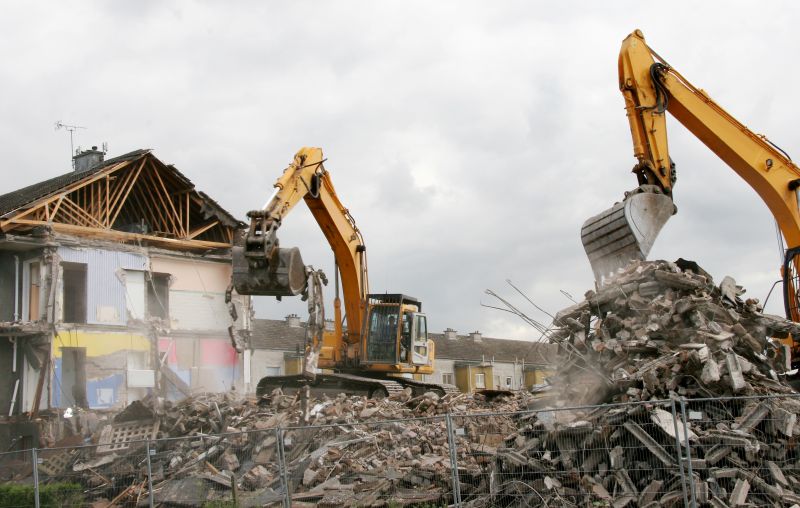
Demolition services play a critical role in construction, renovation, and land clearing projects. They involve systematically dismantling structures to prepare sites for new development or to remove unsafe or outdated buildings. The process requires careful planning, specialized equipment, and adherence to safety standards to minimize risks and environmental impact.
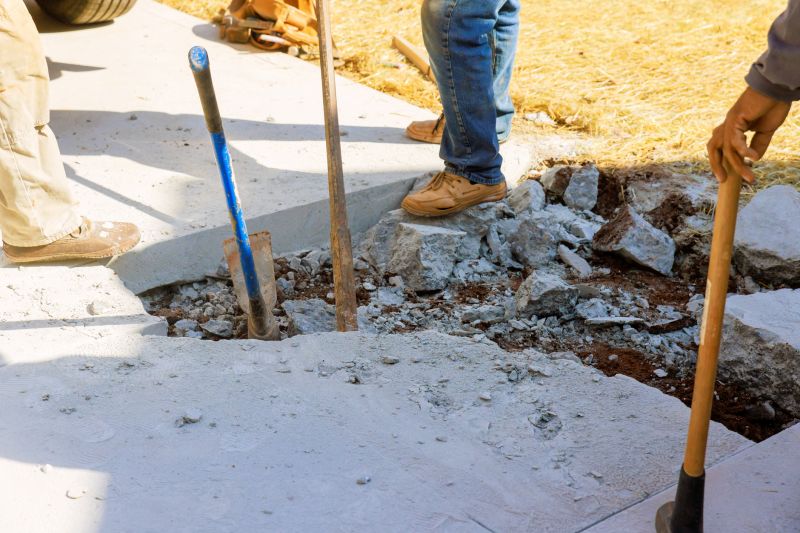
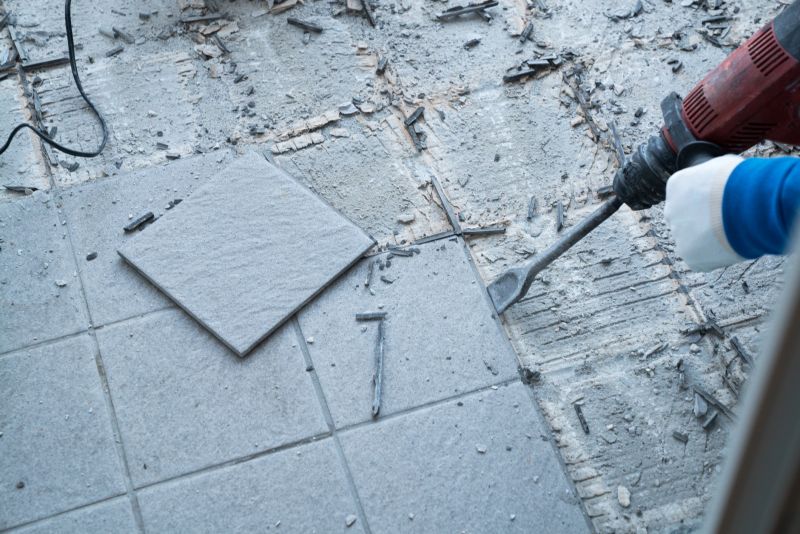
Includes interior, exterior, selective, and total demolition, each suited for specific project needs.
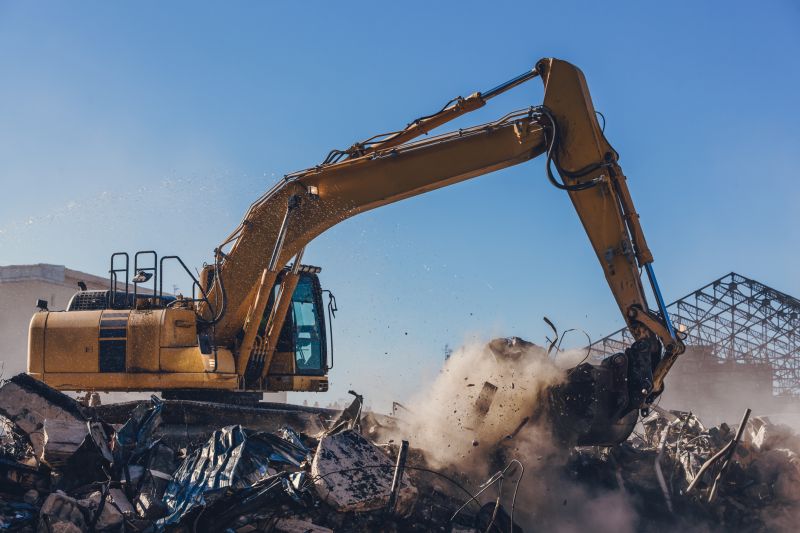
Uses excavators, wrecking balls, and hydraulic shears to efficiently dismantle structures.
Proper debris removal and recycling are essential parts of modern demolition practices.
Implementing safety protocols reduces accidents and ensures compliance with regulations.
A 60-second routine that keeps Demolition Service looking new.

A frequent mistake in Demolition Service and how to dodge it.

Small tweaks to make Demolition Service safer and easier to use.
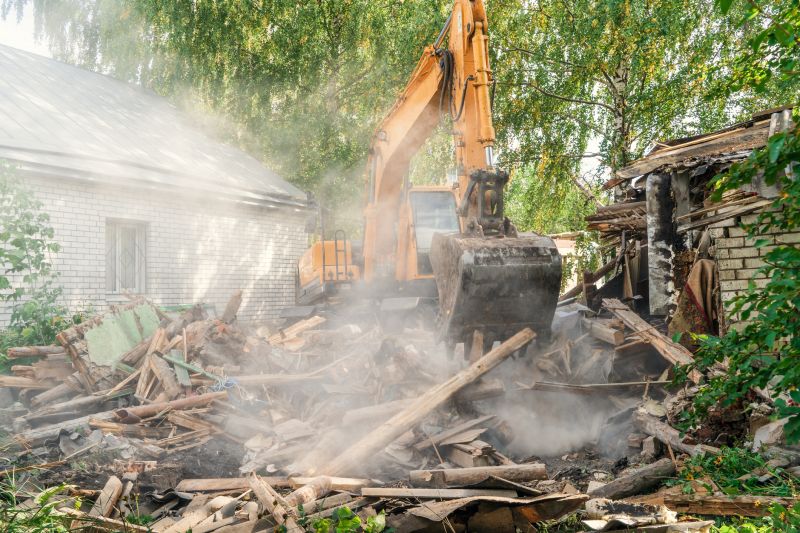
Lower-waste or water-saving choices for Demolition Service.

The short, realistic tool list for quality Demolition Service.
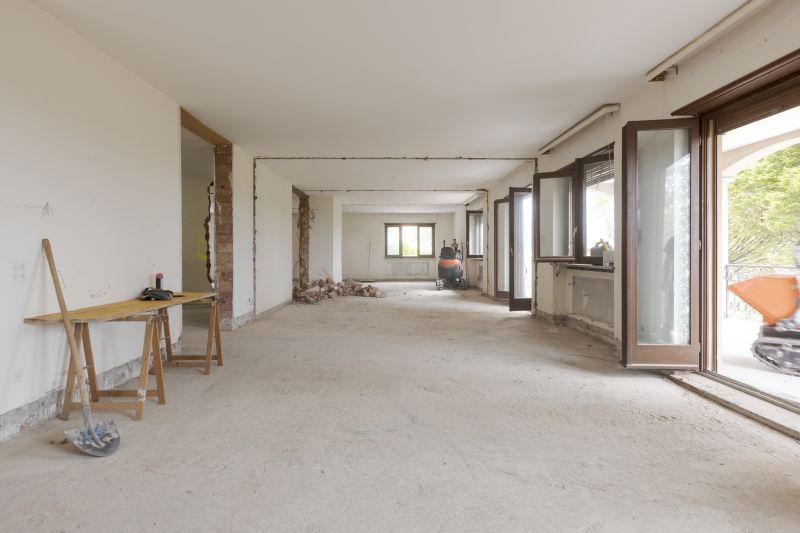
Rough timing from prep to clean-up for Demolition Service.
| Aspect | Details |
|---|---|
| Optimal Seasons | Spring and fall are generally ideal for demolition due to moderate weather. |
| Project Planning | Allow sufficient time for permits, inspections, and site preparation. |
| Weather Risks | Avoid scheduling during winter or summer heatwaves to prevent delays. |
| Local Regulations | Check local ordinances for permissible demolition periods. |
| Environmental Impact | Plan to minimize dust, noise, and debris during appropriate seasons. |
| Resource Availability | Coordinate with contractors and equipment providers for timely execution. |
| Safety Considerations | Ensure weather conditions support safe working environments. |
| Cost Implications | Off-season scheduling may reduce costs due to lower demand. |
Scheduling demolition services during favorable weather and optimal seasons can enhance safety, reduce costs, and improve project timelines. Proper planning and adherence to local regulations are essential for a successful demolition process.

Quick checks and paperwork to keep after Demolition Service.
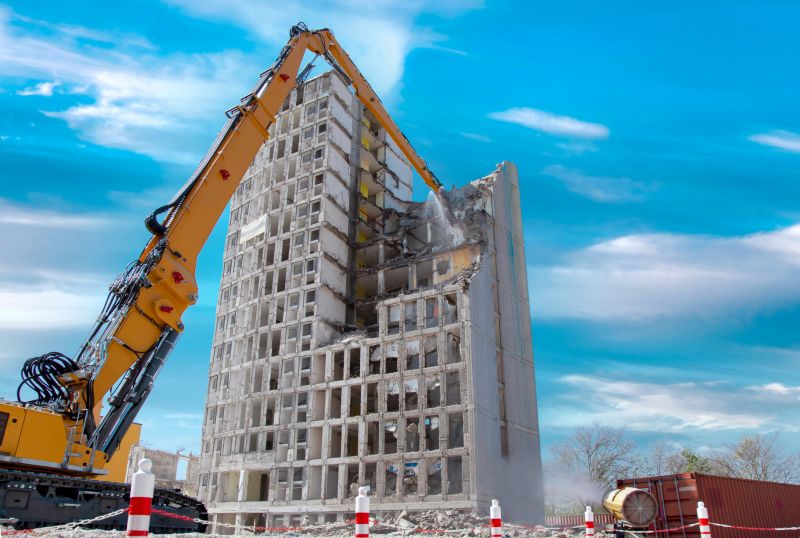
Examples that show the impact a good Demolition Service can make.
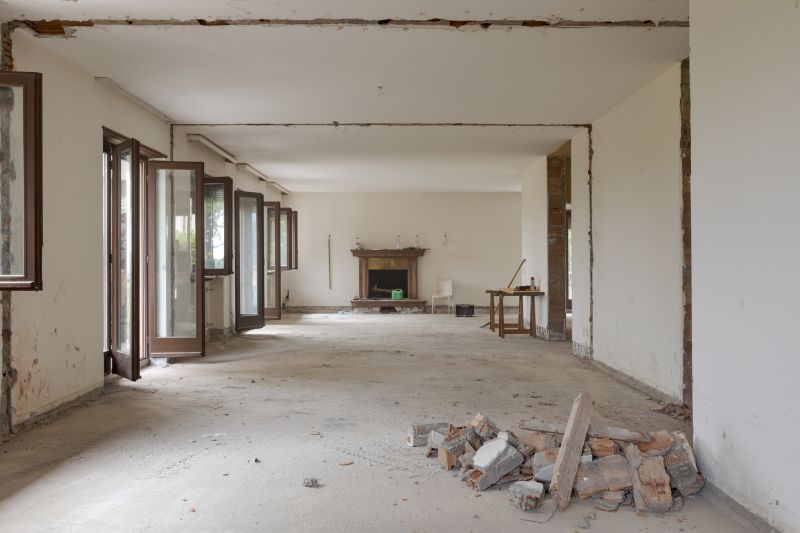
Ways to make Demolition Service work in tight or awkward layouts.

Ways to make Demolition Service work in tight or awkward layouts.
Interested parties are encouraged to contact for more information about scheduling and planning demolition services. Proper timing ensures a smooth process and optimal results for any demolition project.